Key NYC salsa venues in the 1970s included the Cheetah Club, The Corso, and Hunts Point Palace. These places were safe havens for Black and Latino working class communities to thrive culturally. While systemic racism and police brutality attempted to kill the culture, it stayed alive in these salsa venues.
VENUES
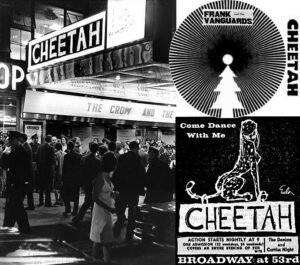
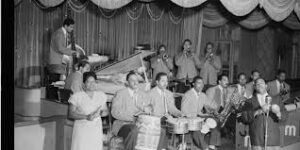
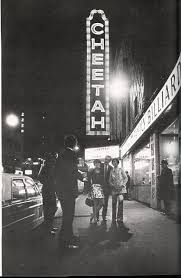
The Cheetah Club, 52nd Street and 8th Avenue
Hosted the biggest stars, and it is oftentimes called the birthplace of salsa. Cheetah was the most elaborate venue in the city, with its bright lights holding 2,000 people, a dancefloor, a library, a movie room, and a color TV. The Fania All-Stars concert there in 1972 marked the first time the word salsa was widely used, and big stars like them were a large reason why the Cheetah was where salsa transformed from a small subculture to a global commercial powerhouse. There was contrast here between the lyrics reflecting street life and the wild cheetah-print decor which represented something more urban and sophisticated, and altogether this created an incredible atmosphere where salsa came to life.
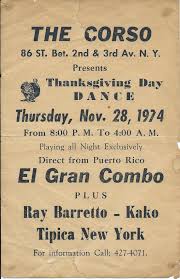
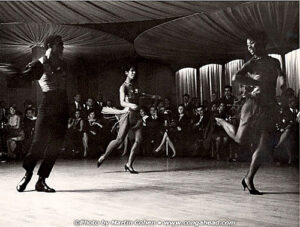
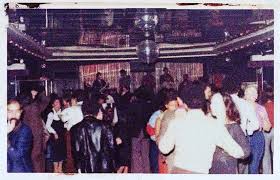
The Corso, 86th Street
The most prestigious venue, it also featured the legendary Fania All-Stars. It, too, was a safe space for culture to thrive, primarily for Puerto Ricans and Cubans. Most famously, it was where the style known as “Salsa on Two” was developed, a style where you start dancing on the first beat of the bar, then change directions on beats 2 and 6. The Corso, contrary to the majority of other venues in the city, was not focused on tourists or the general nightlife, but solely dancing. If you could dance, this was the place for you. This was the spot for new bands to emerge, as they had three bands play a night, 5 nights a week. The bands that were able to hang until the Corso’s late hours (often later than 4 AM) fueled the dancers all night, seamlessly rotating from one band to the next. In terms of dress, this was one of the more classy places. You dressed, and danced, to impress.
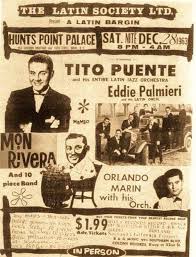
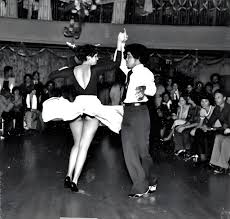
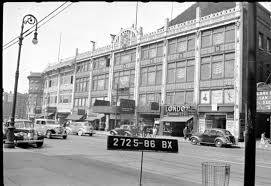
Hunts Point Palace, The Bronx
This place was the heartbeat of the community. While the Manhattan clubs exploded in popularity and were the place to be for the biggest stars, Hunts Point Palace was where salsa kept its roots. Generations of families performed and danced there, rather than tourists, which was a true expression of its South Bronx culture. It was right in the center of the Puerto Rican community, so they were its main audience base. This crowd was tough. If a band wanted to consider themselves as legit, they had to get approved at Hunts Point. That’s exactly what the Big Three: Tito Puente, Tito Rodríguez, and Machito, the stars who really put Hunts Point Palace on the map, were able to do. It held 2,500 people and was a major center of Puerto Rican, Dominican, and Cuban culture in the city. What made Hunts Point Palace so unique was the mix of genres. Not only salsa, but also hip-hop and mambo would find great success there, the first instance of salsa being blended into other established styles of music, giving it a bigger stage to shine on.
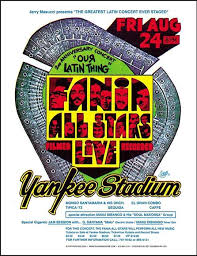
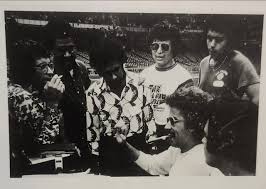
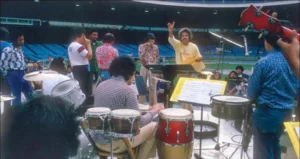
Yankee Stadium, 1973
A pivotal moment in salsa’s early history is the Fania All-Stars concert in 1973 at Yankee Stadium. While it wasn’t a typical club like the other venues, performing on a stage as grand as the original Yankee Stadium was the most important step in legitimizing salsa as a key component of New York’s culture. This performance was dubbed by many as the “Woodstock of salsa.” Salsa was no longer a cultural sound viable in dance clubs. It was now capable of stadium shows. Approximately 50,000 fans came to Yankee Stadium that night for the show, making it easily the biggest salsa performance ever. It pushed salsa into the American mainstream and spread the Latino culture with it. However, during an incredible drum duel between Ray Barretto and Mongo Santamaría, the excitement became too much for the fans, and they pushed through the security barriers to get closer to the performance. Security feared a full-on riot and shut the power, ending the show early, but not before those fans could show the uncontrollable grip salsa had on them.
MORE TO READ
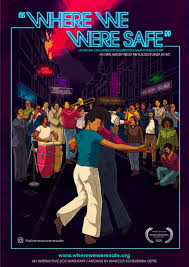
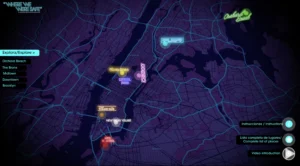
“Where We Were Safe: Mapping Resilience in the 1970s Salsa Scene”
I highly recommend this article by Marcos Echeverría Ortiz of the Latinx Project. It’s a powerful piece detailing how he mapped out the historical salsa venues that have been erased from history over time. He interviewed hundreds of people across the city, locating more than 100 sites. Only a few are covered on this page, but if you want to check out the rest of salsa’s incredible history in the city, go check it out here. https://www.latinxproject.nyu.edu/intervenxions/where-we-were-safe-mapping-resilience-in-the-1970s-salsa-scene
“Salsa Craze Sweeping Night Spots Here” – Nov. 11, 1975
This article was probably the coolest thing I encountered while doing this research. Being able to read a New York Times article from way back in 1975 gave so much new perspective into these venues for me. It’s the most specific collection of details I could find, talking about what kind of crowds you might see on different days of the week. The interviews with the owners of these clubs also show how they weren’t in it for the money, but rather to make an impact in the community, creating a place where this new style of music could bloom.
When researching these venues, I found it hard to find information on the physical details, such as size, capacity, etc. This is because what really stood out were the personal testimonies detailing stories from these venues. Stories not just of dancing, but of culture, of love, of heartbreak, and most of all, safety. These venues truly were a safe haven for culture to thrive, making them merely containers for the incredibly nuanced genre of salsa to blossom.

