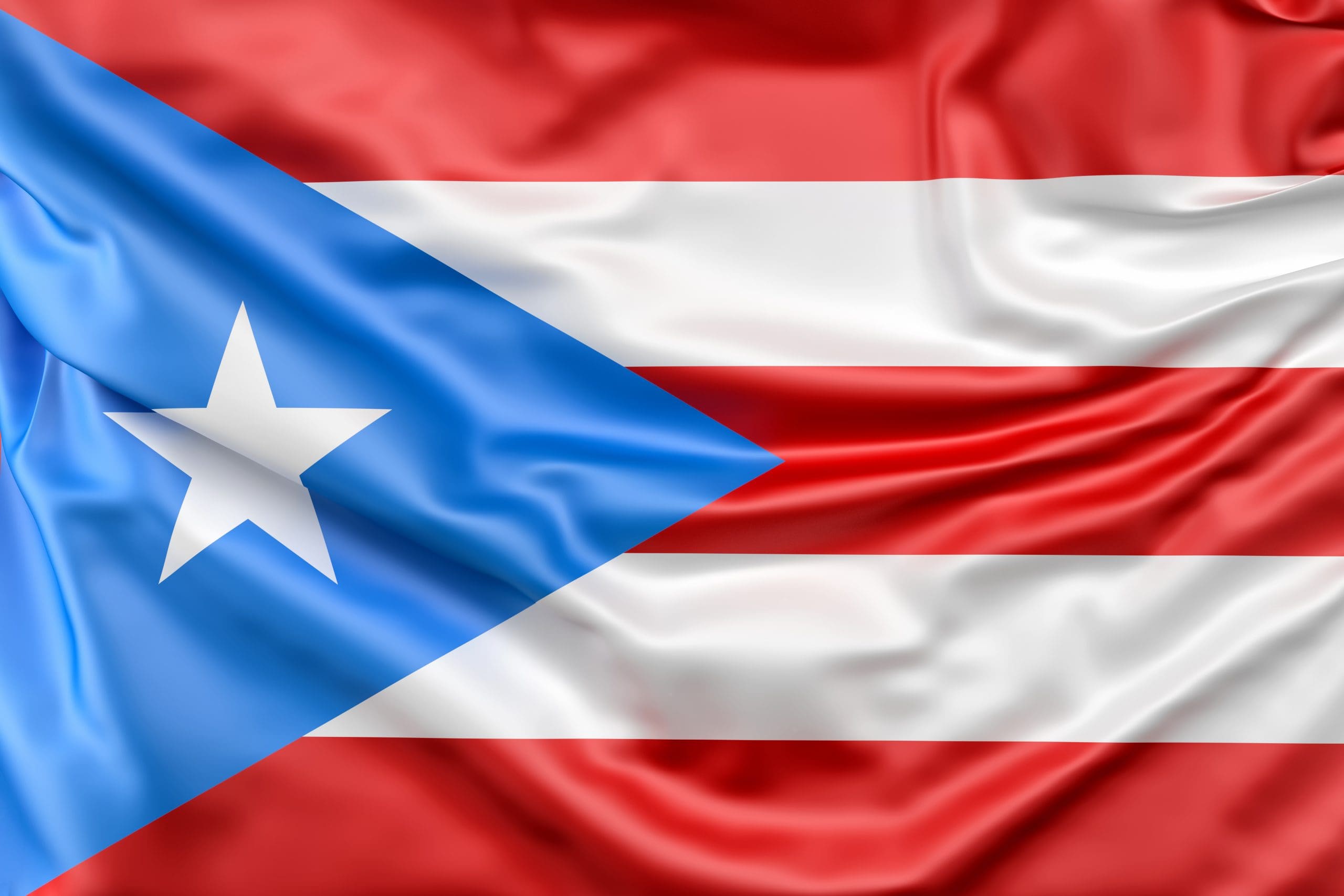
Salsa music is a genre that developed mainly in New York City during the 1960s and 1970s. Even though many people connect salsa with countries like Cuba and Puerto Rico, the modern style of salsa was created in New York by Latino communities, especially Puerto Rican, Cuban, and Dominican immigrants.
 .
.  .
. 
Salsa did not come from just one type of music. It was created by mixing different Afro-Caribbean musical styles such as son cubano, mambo, cha-cha-cha, guaracha, and Latin jazz. African rhythms and Spanish musical traditions were both very important in shaping the sound of salsa.
One important influence was mambo music. In the 1940s and 1950s, musicians like Machito and his band, the Afro-Cubans, brought Afro-Cuban music into New York’s jazz scene. They mixed Cuban rhythms with American jazz and big band music, helping create the foundation for salsa.


During the 1960s and 1970s, salsa became extremely popular in Latino neighborhoods in New York, especially in the Bronx and Spanish Harlem. The music represented identity, culture, and community for many immigrants living in the city.
A major reason salsa spread worldwide was because of Fania Records, founded by Johnny Pacheco and Jerry Masucci. Their group, the Fania All Stars, helped bring salsa to international audiences through concerts and recordings.

HOW?
- They were recording and producing albums for famous salsa artists
- Organizing large concerts and tours
- Creating the Fania All Starts, a group made up of many top salsa musicians
- Promoting salsa through radio, television, and international performances
- Bringing salsa music from Latino neighborhoods in New York to audiences across Latin America, the Caribbean, Europe, and other parts of the world
Even though salsa has influences from many Caribbean cultures, New York City became the place where these musical traditions came together to create the modern salsa genre.

