The story of salsa is closely tied to the musicians who created it. Long before it had a name, artists like Machito and his musical director Mario Bauzá laid its foundation in New York City during the 1940s. They blended Afro-Cuban rhythms with the vibrancy of big band jazz. Bauzá had years of experience playing trumpet for legends like Cab Calloway and Chick Webb before he brought in his brother-in-law, Francisco Gutiérrez Grillo, known as Machito. Together, they led a band that became one of the most influential in Latin music history. Their efforts were among the first to place Cuban drumming traditions at the core of a large ensemble sound, a decision that would shape salsa for decades.
By the 1960s, a new generation of artists pushed the sound even further. Johnny Pacheco, a Dominican musician and bandleader, co-founded Fania Records in 1964, gathering some of the greatest Latin musicians of the time. Artists like Willie Colón, Eddie Palmieri, Ray Barretto, and Héctor Lavoe each contributed something unique to the Fania sound. Colón was known for his stronger trombone-driven arrangements, while Palmieri offered a more experimental take on jazz and Afro-Cuban rhythm.

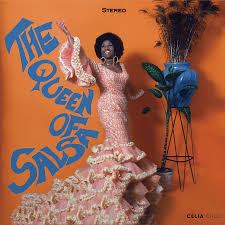
Any discussion of salsa’s creators must include Celia Cruz, whose powerful voice and commanding stage presence made her the most recognized figure in the genre worldwide. Along with her, Panamanian singer-songwriter Rubén Blades added a sense of social and political awareness to salsa’s lyrics, broadening its message and audience. Together, these artists didn’t just perform salsa; they actively shaped the genre, creating a musical movement that would become one of the most significant of the twentieth century.