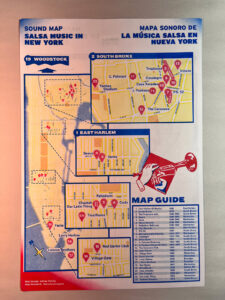
After the Great Depression and World War II, the United States experienced major industrial and economic growth. This led to the increased migration of Latinos into industrial cities like New York City with the promise of economic prosperity from new job opportunities, specifically Puerto Ricans, who at the same time, were facing their own economic crisis with unemployment and poverty. Migrating to New York gave them the opportunity for better employment in the industries.
During the 1975 fiscal crisis, New York City faced such complex and severe economic disparities that led to the city nearly declaring bankruptcy. Many industries and companies began moving out of the city due to deindustrialization and the desire for cheaper labor. This resulted in a sharp rise of unemployment rates among Latino communities. This, combined with the poor housing conditions, discrimination, city-wide budget cuts, and declining public services, disproportionately affected poorer neighborhoods with large Latino and Black populations.
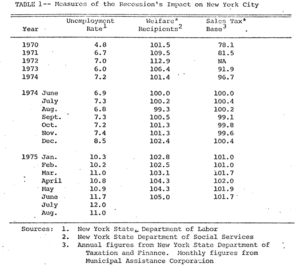
Many Latino communities faced systemic discrimination that limited economic mobility. Certain practices, like redlining, made it difficult for residents to receive loans or investments for businesses and housing improvements. This caused many neighborhoods to remain trapped in a cycle of poverty during the fiscal crisis.
These harsh economic conditions contributed to the rise and popularity of salsa. Salsa became a cultural voice for working-class Latino communities and a way for them to express themselves while living through economic hardship. The dance reflected migration, poverty, resilience, and cultural pride among Latino communities in New York City.
Salsa clubs, block parties, dance halls, and other various venues became important community centers where people could temporarily escape the stress of unemployment, discrimination, and deteriorating living conditions. Salsa created a sense of unity and cultural identity among Puerto Rican and Latino residents.