New York Salsa first formed when Puerto Ricans and other Latin American groups began immigrating to New York, bringing their culture with them. Over time, their traditional music and dance styles blended with influences from Cuban son, jazz, mambo, and other Latin American rhythms that were already popular in the city. As salsa grew in popularity, it began attracting a wide range of audiences throughout New York and eventually around the world.
Latino Immigrant Communities
Salsa music originally appealed to Latino immigrant communities in New York, especially Puerto Rican, Cuban, and Dominican populations living in neighborhoods such as the Bronx and Spanish Harlem. Many immigrants faced poverty, discrimination, and difficult working conditions, and salsa became a way to preserve their cultural identity while adapting to life in America. The music reflected their emotions, struggles, and pride, making it deeply meaningful within these communities.
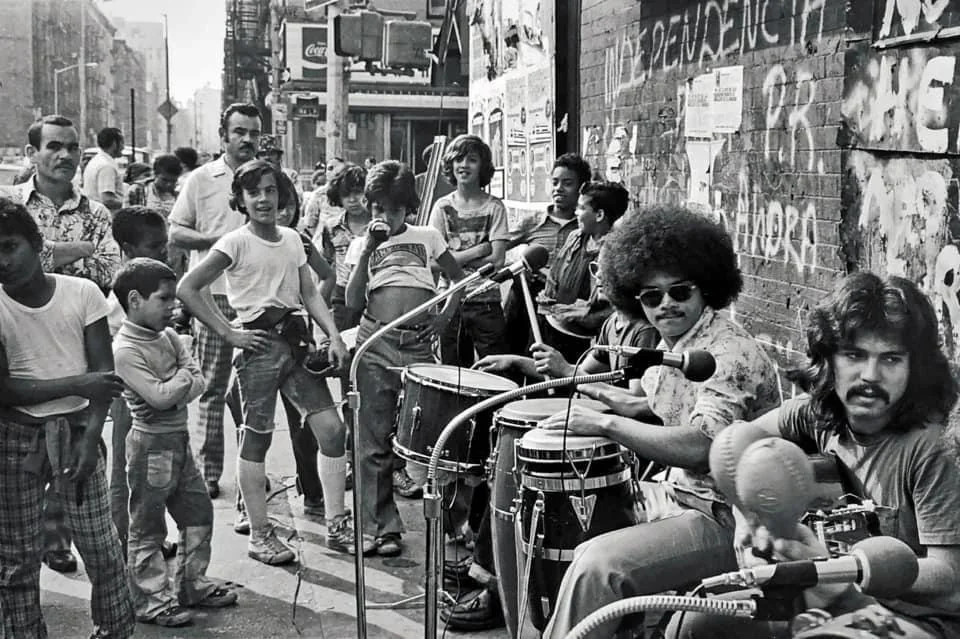
Lower East Side, NYC, Salsa Band on the Street (1976), Hazel Hankin
Working-Class Youth
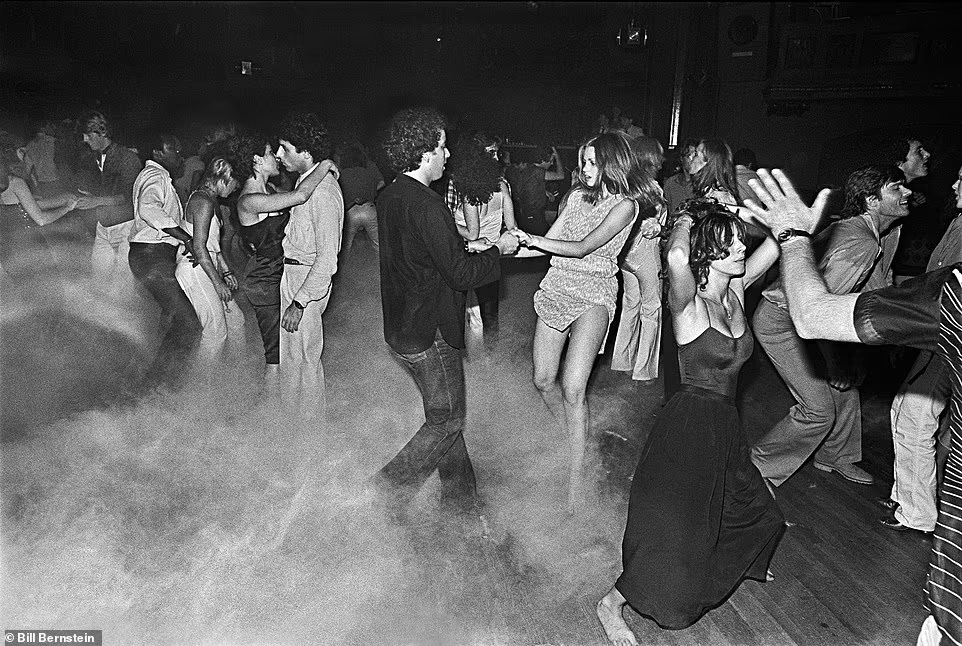
Salsa also became popular among working-class young people in New York. Its fast rhythms, emotional lyrics, and energetic dance culture attracted younger generations looking for entertainment and self-expression. Because salsa blended traditional Afro-Caribbean music with jazz and modern urban influences, it connected both to cultural traditions and contemporary city life.
Expansion to Wider Audiences
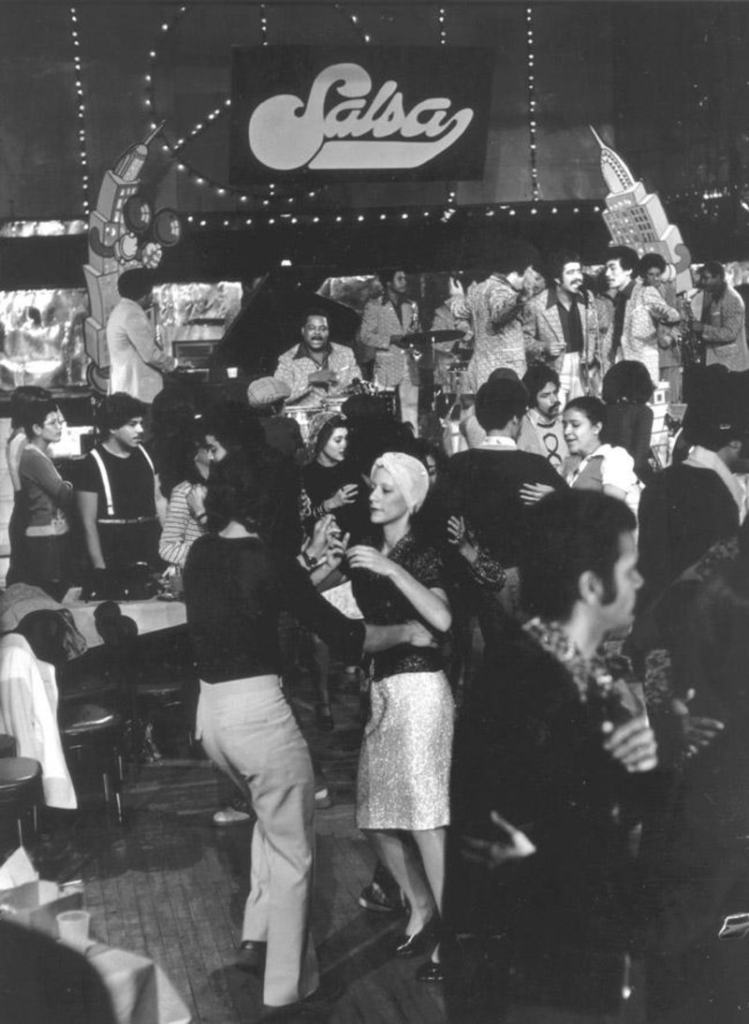
As salsa grew in popularity, it began attracting audiences outside Latino communities. Dance clubs, concerts, radio stations, and dance schools introduced salsa to people from different cultural backgrounds across New York. Its lively rhythms and social style made it appealing to both dancers and music listeners, helping salsa become an internationally recognized genre.
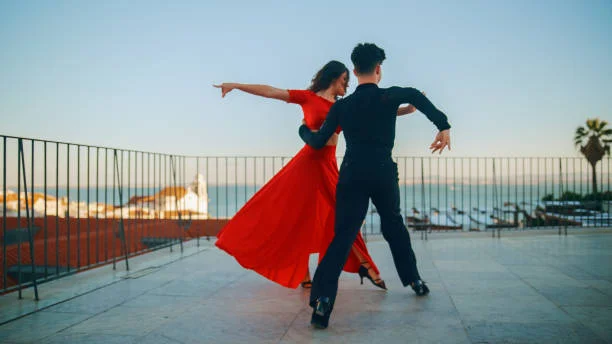
Dubai, UAE, Bella Entertainment

