These are some of the cultures that influences the creation of Salsa.
Cuban Son
Cuban son originated in the eastern part of Cuba during the late 19th century. It consisted of combining guitar playing techniques from Spain with African rhythm influences as well. Cuban son is the most direct predecessor of salsa music. This is the case due to the two-measure rhythm pattern that serves as the building block for all salsa music. Salsa music is built on the montuno from the style of Cuban son. Musicians such as the Buena Vista Social Club popularized son worldwide. It got so popular that when Cubans migrated to New York, son music mixed with jazz music to create salsa music.
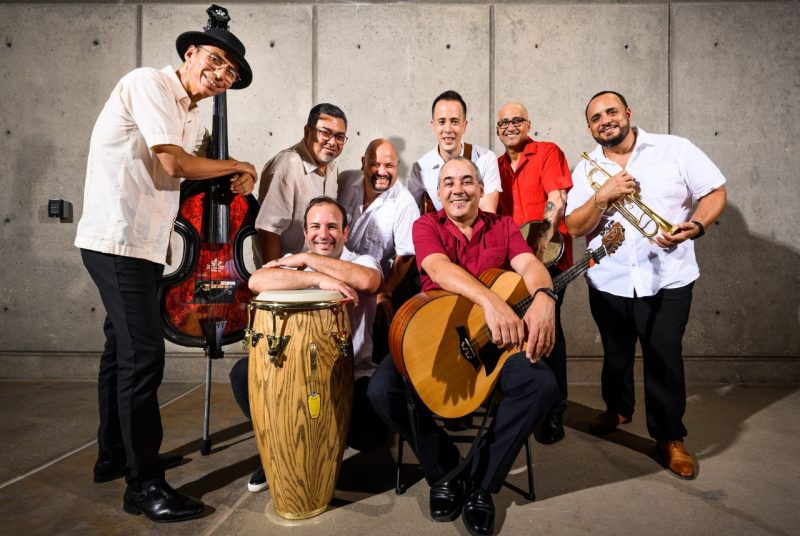
Examples:
West African Drumming Traditions
The music traditions of West Africa came into the Caribbean when the atrocities of slave migration were taking place from the 16th through the 19th century. These traditions involved complex drumming and call-and-response group vocal singing. These rhythms were preserved and passed on through the religion known as Santeria in Cuba and Puerto Rico. After that, it evolved into the creation of secular music, forming itself to the salsa we know today. Salsa was heavily influenced by West African instruments, like congas and bongos. The use of polyrhythms, or multiple layers of rhythms in West African music, influenced salsa by giving it its unique sound compared to European music.
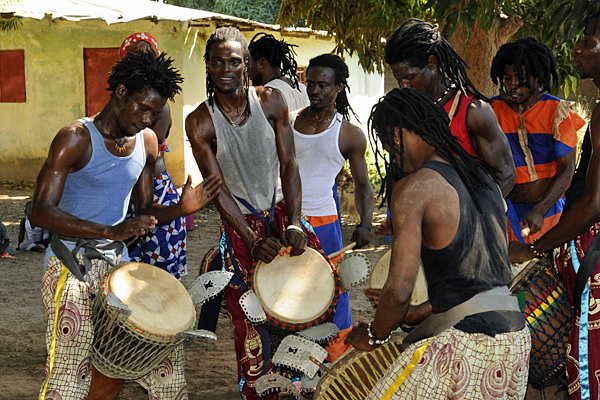
Examples:
Puerto Rican Bomba and Plena
The bomba music is indigenous to Puerto Rico and was created by the slaves brought there from West Africa during the early colonization era as a means of communication and revolt. The genre of plena came up from bomba in the early 20th century, having adopted storytelling qualities with a narrative telling of recent news, thus nicknamed “el periódico cantado” or the sung newspaper. Both music styles have played an important role in influencing salsa music, brought along with the Puerto Ricans who migrated to New York, thereby meeting the Cuban son and jazz music genres.
Colombia
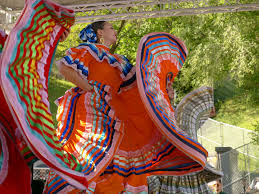
The Colombian cultural influence in salsa was critical. When the Cuban and Puerto Rican rhythms made their way to Cali on the Pacific Coast of Colombia, the natives did not accept the beats as they were. Instead, they adapted them into something entirely different. The Cali dialect of salsa emerged because of the rich background the native Columbians had with cumbia, porro, and Afro-Caribbean percussion beats to create a unique type of dance with quick footwork and tight moves. Grupo Niche and Fruko y Sus Tesos are just some of the names of groups that added melody and feeling to the genre. Cali has since become the world’s salsa capital.
New York
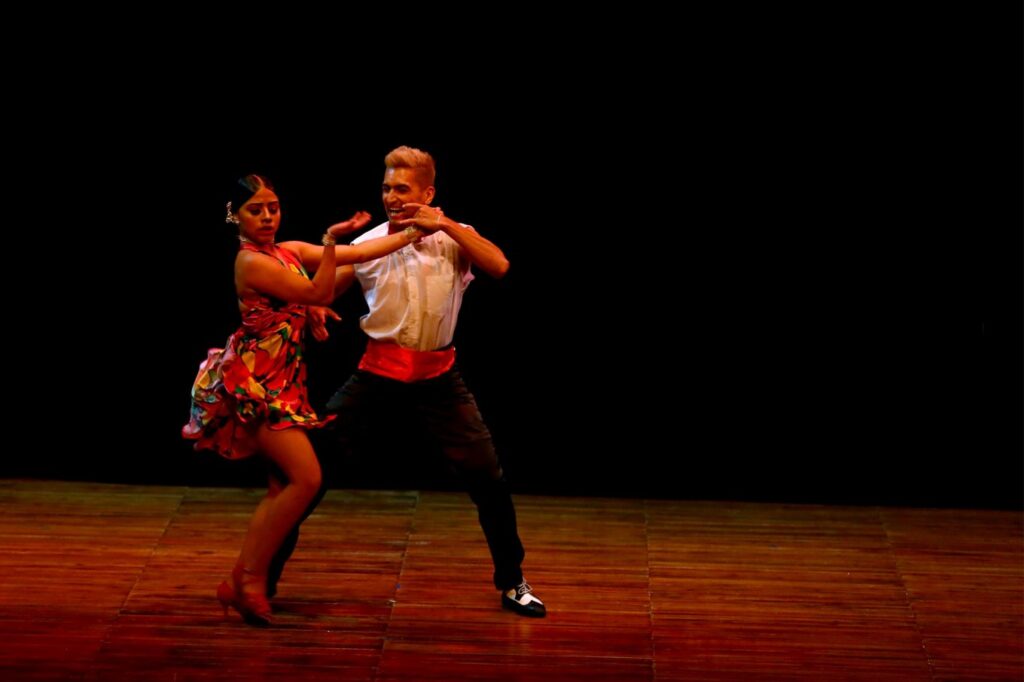
Salsa was adapted in New York during the 1960s and 1970s by Cuban and Puerto Rican immigrants in the Bronx, Harlem. It evolved here with people who were seeking to create a genre of music that resonated with their experiences. However, an important element was still missing, which was provided by the jazz movement flourishing in New York. This introduced a new style with the use of brass and big bands. Fania Records served as the powerhouse for this genre, creating stars like Celia Cruz, Ruben Blades, and Willie Colon. Salsa was not just music but a way of life and expression of that life for a marginalized community.
Sources:
Boggs, Vernon W. Salsiology: Afro-Cuban Music and the Evolution of Salsa in New York City. Excelsior Music Publishing, 1992.
Manuel, Peter. Caribbean Currents: Caribbean Music from Rumba to Reggae. Temple University Press, 2006
Roberts, John Storm. The Latin Tinge: The Impact of Latin American Music on the United States. Oxford University Press, 1999.
Smithsonian Center for Folklife and Cultural Heritage. “La Vieja Guardia: Salsa Dancing in Cali, Colombia.” folklife.si.edu.
Smithsonian Folkways. “Puerto Rican Bomba y Plena: Shared Traditions, Distinct Rhythms.” folkways.si.edu.

